About
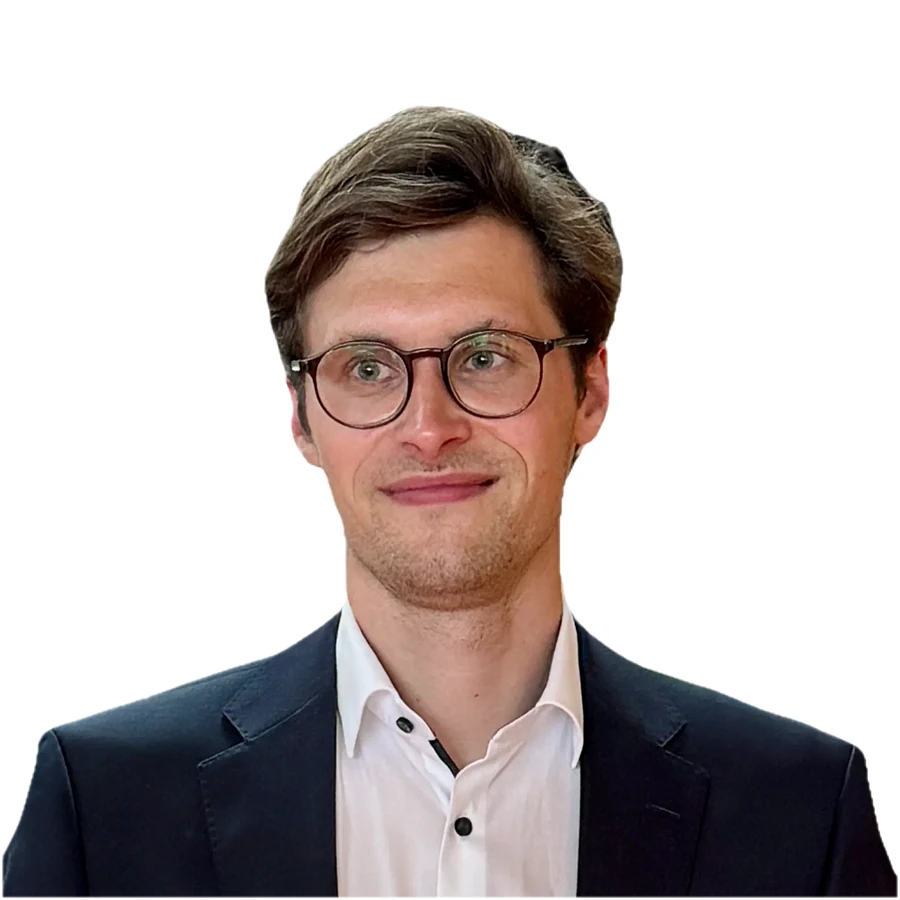
I am a postdoctoral researcher at the Techno-Anthropology Lab at Aalborg University Copenhagen, where I currently work in the research project Infrastructuring the Public Sector’s Use of AI (IPA). My work sits between economic sociology and science and technology studies, and draws on the sociology of professions.
I study how algorithmic systems are adopted and governed in markets and in the public sector, and what they do to professional work, judgement and expertise. I am particularly interested in why some algorithmic systems take root in organizations while others fail to gain traction, even when they are technically feasible and economically valuable.
My current research examines how the Nordic governments orchestrate the development and scaling of AI across their public sectors.
Background
In my doctoral research, I investigated the adoption of AI in the Danish life insurance industry. I examined how professional ideologies and ethical principles shape decisions about data use and algorithm design, and how regulation defines the boundaries of a morally acceptable AI system. The research identified a paradox. Behavioral data and machine learning are increasingly used for loss prevention, yet they remain far less common in pricing and actuarial risk calculation. Across several articles, I trace this uneven algorithmization to the moral authority and professional cultures of data professionals, and to the legitimacy that different uses of AI can claim within the market and beyond it.
I completed my PhD in economic sociology at Copenhagen Business School in 2025 with the thesis Professionals, Morals and Markets: The Uneven Algorithmization of Behavioral Life Insurance. The PhD included a research stay at SCANCOR, Stanford University. Before my doctoral studies, I completed a BSc and an MSc in International Business and Politics at CBS. During my studies, I worked as an analyst at the Happiness Research Institute.
Alongside my academic work, I serve as Consultative Expert on Data Use in Insurance at the European Insurance and Occupational Pensions Authority (EIOPA), where I am developing a report on the ethical boundaries of data use and their implications for risk mutualization. I also advise public- and private-sector organizations on AI governance and responsible AI use.
An overview of my teaching, with course materials, is on the teaching page.
Contact
Write to me at alexanderg@ikk.aau.dk. I am also on Aalborg University’s research portal, Google Scholar, LinkedIn, GitHub and X.
My CV is here as a PDF.